Terracotta, Ceramic, or Woven Cover: Choose a Pot by Its Silhouette
Compare terracotta, ceramic, and woven plant pot covers by finish, shape, and room mood to choose a vessel that suits your plant and furnishings.
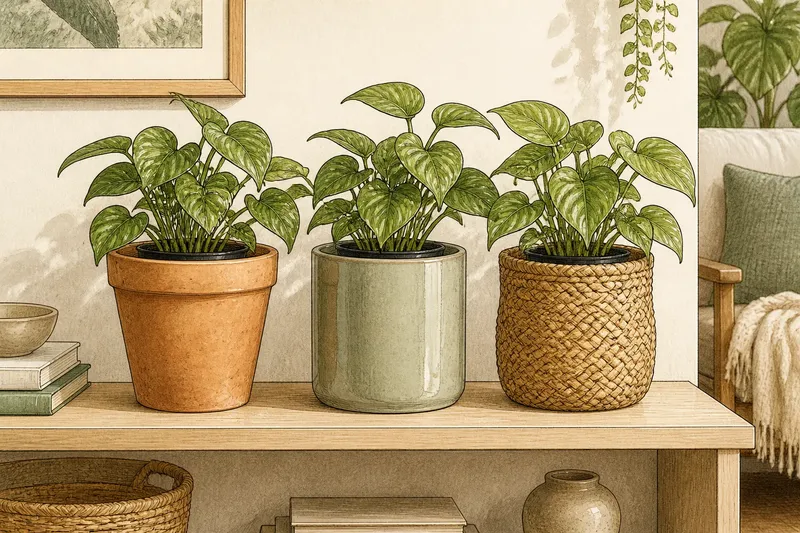
Which plant pot will make a room feel finished without competing with the plant or nearby furniture? To choose among terracotta, ceramic, and woven plant pot covers, compare silhouette and surface together, then consider the mood each brings to the space. The same leafy plant can feel relaxed, polished, or softly textured depending on its vessel.
Start with the display, not the pot
Choose the spot where the display will live, then notice what already draws the eye. A smooth, pale side table may welcome a rough, earthy pot; a room with patterned upholstery may benefit from a quieter shape and finish. The goal is not to match every object. Decide whether the vessel should blend in, add contrast, or give the plant a more deliberate presence.
Look at the plant’s outline as well. A compact plant with broad leaves can sit comfortably in a rounded vessel, while a fine, trailing plant may look better in a simple cover that leaves its movement unobstructed. Consider the gap between the plant and the rim: a very wide opening can make a small root ball look lost, while a narrow neck can crowd the foliage visually.
Choose terracotta for an earthy, informal outline
Unglazed terracotta has a matte, granular surface that brings warmth without much shine. Its familiar orange-brown color pairs easily with wood, linen, woven rugs, and green leaves. It tends to make a display feel casual and grounded, especially when the pot has a plain, slightly tapered profile.
Silhouette matters within this category. A straight-sided terracotta pot feels sturdy and restrained; a rounded one reads softer and more relaxed. A flared rim can make a small plant seem more established, while a narrow base gives a compact display a lighter footprint. Choose one shape that supports the plant’s outline rather than adding several competing curves.
Terracotta can serve as a planting pot, not just a decorative shell. Its unglazed body can allow moisture to pass through, so the plant’s watering needs and the pot’s drainage arrangement matter. If you want the terracotta look but prefer to protect furniture, use it as an outer cover for a nursery pot, with a saucer or another suitable barrier to catch drips.
Pick ceramic when color and finish should lead
Glazed ceramic offers room to introduce color, shine, or a more tailored finish. A glossy vessel can echo light from a nearby window; a softly glazed or matte surface gives a calmer impression. Solid colors keep attention on the plant, while a subtle band, fleck, or relief can connect the vessel to details elsewhere in the room.
Its silhouette can shift the mood as much as its glaze. A low, wide bowl feels open and settled, while a taller cylinder looks more formal. A gently rounded pot can soften angular furniture. Before choosing a dramatic glaze, compare it with the plant’s leaves and the colors directly around the display; a vessel that repeats a small accent in a pillow or book can feel considered without turning into a matching set.
A ceramic cover may not have a drainage hole, so check how the plant will be watered and where excess water will go. A nursery pot that lifts out is useful when you want the finished ceramic look but need to drain the plant separately. For a vessel used directly as a planter, follow the plant’s care needs and the maker’s guidance for the pot.
Use a woven cover to add visible texture
A woven cover, such as a basket-style sleeve, introduces strands, small shadows, and an irregular edge. It can make a crisp room feel less polished or help a plain corner feel more layered. Natural-looking fibers bring a relaxed character, while a tighter weave reads neater and more contained.
Consider the weave’s scale and the pot’s outline. A chunky weave can overwhelm a small plant or a narrow shelf; a fine, close weave is easier to pair with delicate foliage and compact furniture. A soft-sided basket often narrows slightly toward the base, creating a casual silhouette. A firm, evenly shaped cover looks more structured and can sit comfortably beside straight-edged cabinets.
Woven covers usually work best as decorative outer layers rather than planting pots. Keep the nursery pot removable so you can water and drain it separately, and avoid leaving pooled water inside the cover. The material’s texture can collect dust or catch on nearby fabrics, so leave enough room to lift the plant out without scraping surrounding objects.
Check the fit and care setup before choosing
- Opening: Set the existing nursery pot against the cover’s opening. If it slides in and lifts out easily, keep that option; if it catches at the rim, choose a wider opening or a different cover.
- Drainage: Look for a drainage hole in the planting pot. If it has one, plan to use a saucer or another appropriate way to catch runoff; if it does not, keep the plant in a removable nursery pot and drain it separately.
- Furniture protection: Check whether the pot’s base or interior can leave moisture on the surface. If it can, add a suitable saucer or barrier; if the cover stays dry during watering, keep the setup simple and monitor it.
- Visual balance: Compare the pot’s rim and width with the plant’s outline. If the opening makes the root ball look lost or crowds the leaves, choose a proportion that gives the foliage room to read clearly.
- Texture: Look at the nearby upholstery, rugs, and furnishings. If those surfaces already have strong patterns or texture, choose a quieter vessel; if the area feels visually plain, a woven cover or textured ceramic can add a point of interest.
- Lift-out access: Check whether you can remove the plant without knocking nearby objects. If the cover catches on a shelf edge or neighboring decor, move the display or choose a shape that lifts out cleanly.
Compare the three vessel styles in the actual room
Imagine you have a small leafy plant in a removable nursery pot, a pale wood shelf, a cream wall, and little texture nearby. First, place the terracotta cover beside the shelf and note its warm contrast; if that feels too strong, set it aside. Next, compare a muted ceramic cylinder; if its smooth outline suits the shelf but feels a little plain, try the fine woven cover. If the woven texture adds warmth without crowding the plant, choose it; if it makes the narrow shelf look busy, return to the ceramic. The decision comes from the same plant and spot, with the finish and shape providing the difference.
That comparison works because it treats the vessel as part of the arrangement rather than an isolated object. Look from the doorway as well as from nearby seating: a shape that feels appealing close up may seem bulky across the room, while a subtle finish can disappear against a similar surface.
Which pot style fits your room and plant?
Which pot style suits a quiet room?
A matte terracotta pot or restrained ceramic in a soft color can keep a quiet room feeling calm. Choose an outline that echoes the room’s existing shapes, and let the plant provide most of the movement.
Can a woven cover hold a plant directly?
A woven cover is generally better around a removable nursery pot than as the planting vessel itself. This keeps watering and drainage separate from the decorative material.
How should the vessel relate to the furniture?
Use contrast when the furniture and vessel have similar finishes or shapes, and choose a quieter vessel when nearby furnishings already have strong patterns or textures. One clear point of contrast usually reads more intentional than several competing details.
What should you check before using the pot?
Check whether the vessel has drainage, whether its opening fits the plant’s existing pot, and whether the surface needs protection from moisture. Follow the plant’s care requirements and the vessel maker’s instructions where they apply.
Let the chosen vessel support the room
Set the empty vessel beside the intended furniture, then compare its color and outline with the plant’s foliage. If possible, place the plant inside temporarily and look from the doorway as well as from nearby seating. A shape that looks appealing close up may feel too bulky across the room, while a subtle finish can disappear against a similar surface.
For terracotta, ceramic, or woven plant pot covers, choose the finish and silhouette that support the mood you want while fitting the plant’s practical setup. Notice where the eye lands, leave room for the foliage to show its character, and keep the display easy to lift, water, and maintain. A vessel can quietly connect a plant to its room without competing for attention.